




Blog
Doner Cones Explained: Chicken, Beef, Lamb and Mixed

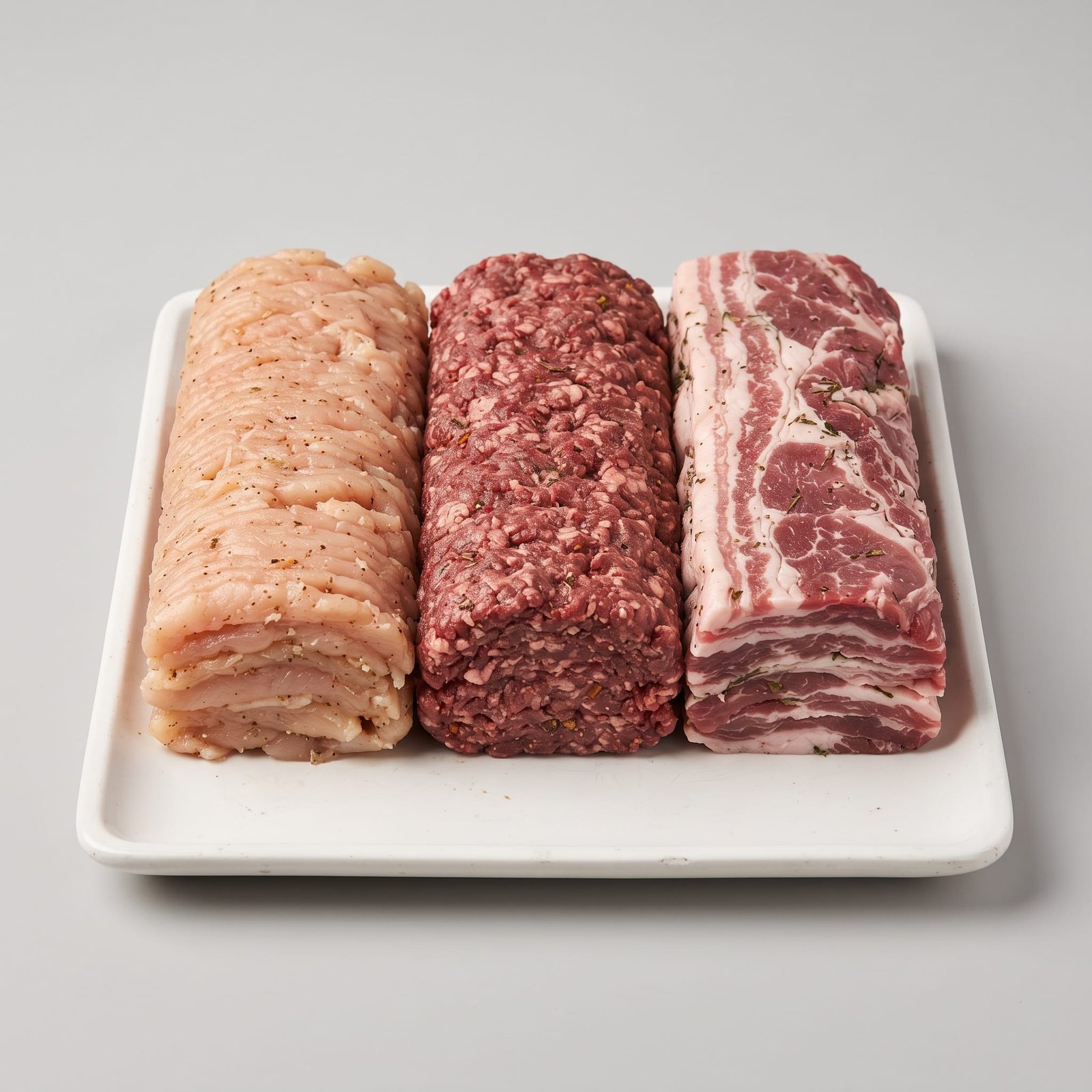
Doner cones are pre-formed stacks of meat layers, either thin-sliced or minced and pressed, built onto a metal skewer so they rotate continuously in front of a vertical grill. The format is used across chicken, beef, lamb and mixed lamb-and-beef products, and each type behaves differently on the rotisserie because of differences in fat content, density and slice thickness. For a kebab or doner shop, the cone type chosen affects how evenly it cooks, how it needs to be shaved, and how quickly it can be turned around during a service.
What Is a Doner Cone?
A doner cone, sometimes written doner or donair cone, is the pre-formed block of meat mounted on the vertical spit of a doner grill. It differs from a joint or a whole cut because it is built specifically for the rotisserie: layers of meat are stacked, pressed or threaded onto a central skewer in a cone or cylindrical shape so the outer surface can be shaved continuously as it turns. MEAT FEST lists four cone formats in its doner product category: chicken, beef, lamb and mix, covering the formats most commonly used in London kebab and doner shops.
How a Doner Cone Is Built for the Vertical Grill
Construction varies by meat type, but the underlying principle stays the same. Thin slices or minced-and-formed meat are layered around a central skewer, usually with a wider base and a narrower top so the cone tapers as it is shaved down through a shift. Fat sits between or around the layers, either as a natural cap on sliced cuts or blended through a minced format, so it renders slowly and bastes the meat as the cone turns. A cone packed too loosely can slump or lose shape on the spit; one packed too tightly can cook unevenly because heat struggles to reach the centre before the outer layers are shaved away.
Chicken, Beef, Lamb and Mixed Cones Compared
Chicken Cone
A chicken cone is typically built from a combination of fillet and thigh meat, either layered or minced and formed, and it is leaner than a lamb or beef cone with less natural fat to self-baste. Because chicken is more delicate on a vertical grill, the layers are usually built thinner and the rotation matched more closely to the heat so the outer surface does not dry out before the centre comes up to temperature. The Chicken Doner is listed as a formed rotisserie product rather than a cut sold by the piece.
Beef Cone
A beef cone is usually a denser, pressed formation built from beef trim rather than a whole muscle cut, closer in spirit to the trim used across the beef cuts range than to a steak joint. Because beef trim carries less intramuscular fat than lamb, beef cones are often formed with a higher proportion of fat blended through the mix to hold moisture over a long service session, which gives a firmer bite once shaved. The Beef Doner in the catalogue is built to this pressed-cone format.
Lamb Cone
A lamb cone is typically the fattiest of the four formats, often built using shoulder meat and shoulder trim from the lamb shoulders category, which carries enough intramuscular and cap fat to self-baste continuously as the cone rotates. This is one reason lamb doner is often described as the most forgiving format to shave, since the fat keeps the outer surface moist even where a section of the grill runs a little cooler than the rest. Offcuts such as the lamb trims listed in the catalogue are part of why lamb suits a formed cone so well. The Lamb Doner product follows this build.
Mix Cone
A mix cone alternates layers of lamb and beef, occasionally chicken and lamb, within the same cone, combining the leaner bite of beef with the fat content of lamb. Mixed cones are common in traditional UK kebab shops because they give a middle-ground texture and flavour without relying on a single meat type. The Mix Doner is built from alternating layers rather than a blended mince, so the two meats stay visually and texturally distinct once shaved.
Doner Cone Types at a Glance
| Cone Type | Typical Texture | Behaviour on the Vertical Grill | Typical Service Use |
|---|---|---|---|
| Chicken | Leaner, softer bite | Dries out faster on the outer layer if rotation and heat are not closely matched | Lighter doner option, often alongside a mixed grill menu |
| Beef | Denser, firmer bite | Holds its shape well; relies on blended fat rather than a natural cap to stay moist | Alternative to lamb where a firmer texture is wanted |
| Lamb | Softer, more fat-marbled | Self-bastes continuously as fat renders down the cone; forgiving to shave | Traditional doner and donair-style service |
| Mix | Combination of lean and fat-marbled layers | Alternating layers cook slightly differently side by side, giving varied texture across a single shave | Classic mixed kebab shop menu format |
How Heat Behaves on a Vertical Rotisserie
A vertical doner grill uses radiant heat from gas or electric elements arranged alongside the rotating cone rather than heat rising from below. As the cone turns, the exterior is continuously exposed to that heat and browns, while the interior gradually comes up to temperature over the course of a service. Because the meat is shaved away as it cooks, a newly loaded cone effectively presents a fresh outer layer to the grill with every rotation, which is why cone density and fat content matter so much: a fattier lamb or mix cone bastes its own surface as it rotates, while a leaner chicken or trimmed beef cone depends more on rotation speed and heat distance to avoid drying out before the centre is ready.
Slicing Technique and Portion Consistency
Doner meat is shaved vertically down the face of the rotating cone, either with a long-bladed knife or an electric doner slicer, taking thin, even passes rather than digging into the cone at an angle. Shave thickness affects both texture and consistency: too thick and pockets of the layer can be under-cooked or chewy; too thin and the meat can dry out or crumble before it reaches the plate. Consistent shaving also keeps portions even across a shift, which matters for any kitchen working from set serving sizes rather than free-hand portioning.
Managing Trim and Fire Across Cone Types
Trim loss on a doner cone comes from a few consistent sources: the initial shaping before the cone is mounted, the core section nearest the skewer that cannot be safely shaved, and any over-charred crust removed if a section of the grill runs hot for a stretch of service. How much this adds up to varies from shift to shift depending on how the grill is run and how closely it is attended, so it is not something that can be quoted as a fixed figure. Leaner chicken cones tend to show more loss from surface drying or charring if rotation is not matched to the heat, while lamb and mix cones lose more through rendered fat than through discarded meat. Estimating how many servings a given cone size will realistically yield across a shift is covered in more detail in a separate guide to meat portion yields.
Choosing a Cone Type for the Menu
Chicken cones tend to suit menus running doner alongside a lighter or mixed grill offering, where the fillet and thigh portions used elsewhere on the menu point to the same base meat. Lamb and mix cones remain the default in shops built around a traditional doner or donair format, largely because of how the fat content behaves on the rotisserie. Beef cones sit in between, offering a firmer texture for kitchens that want an alternative bite without moving away from the cone format. The shoulder and trim cuts behind a lamb cone connect back to the wider cuts covered in a separate guide to lamb cuts, worth reading alongside this one for kitchens building out a full lamb offering.
Frequently Asked Questions
What meat is used in a doner cone?
Doner cones are built from chicken, beef or lamb, or from a mix of lamb and beef layered in the same cone. The meat is either thin-sliced or minced and formed before being stacked or pressed onto a skewer for the vertical grill.
Why do lamb cones need less attention on the grill than chicken cones?
Lamb carries more intramuscular and cap fat than chicken, so it self-bastes as it rotates and renders. Chicken is leaner, so its outer layer can dry out faster if rotation speed and heat distance are not closely matched.
How is a mix cone different from a single-meat cone?
A mix cone alternates layers of two meats, usually lamb and beef, rather than blending them into one mince. This keeps the two meats visually and texturally distinct once the cone is shaved.
What causes trim loss on a doner cone?
Trim loss typically comes from shaping the cone before it is mounted, the core section near the skewer that cannot safely be shaved, and any over-charred crust removed during a long service. The amount varies by cone type and by how the grill is run.
How should a doner cone be sliced?
Doner meat is shaved in thin, even passes down the face of the rotating cone, using a long-bladed knife or an electric doner slicer. Consistent shave thickness keeps both texture and portion size even across a service.
Cone construction, fat content and grill behaviour vary enough between chicken, beef, lamb and mix formats that the right choice depends on the menu format and how the grill is run day to day. Contact us to discuss which doner cone formats suit your kitchen.
One thought on “Doner Cones Explained: Chicken, Beef, Lamb and Mixed”