



 Chicken
Buyer Guides
Chicken Portions for Foodservice: Fillets, Thighs, Legs and Wings
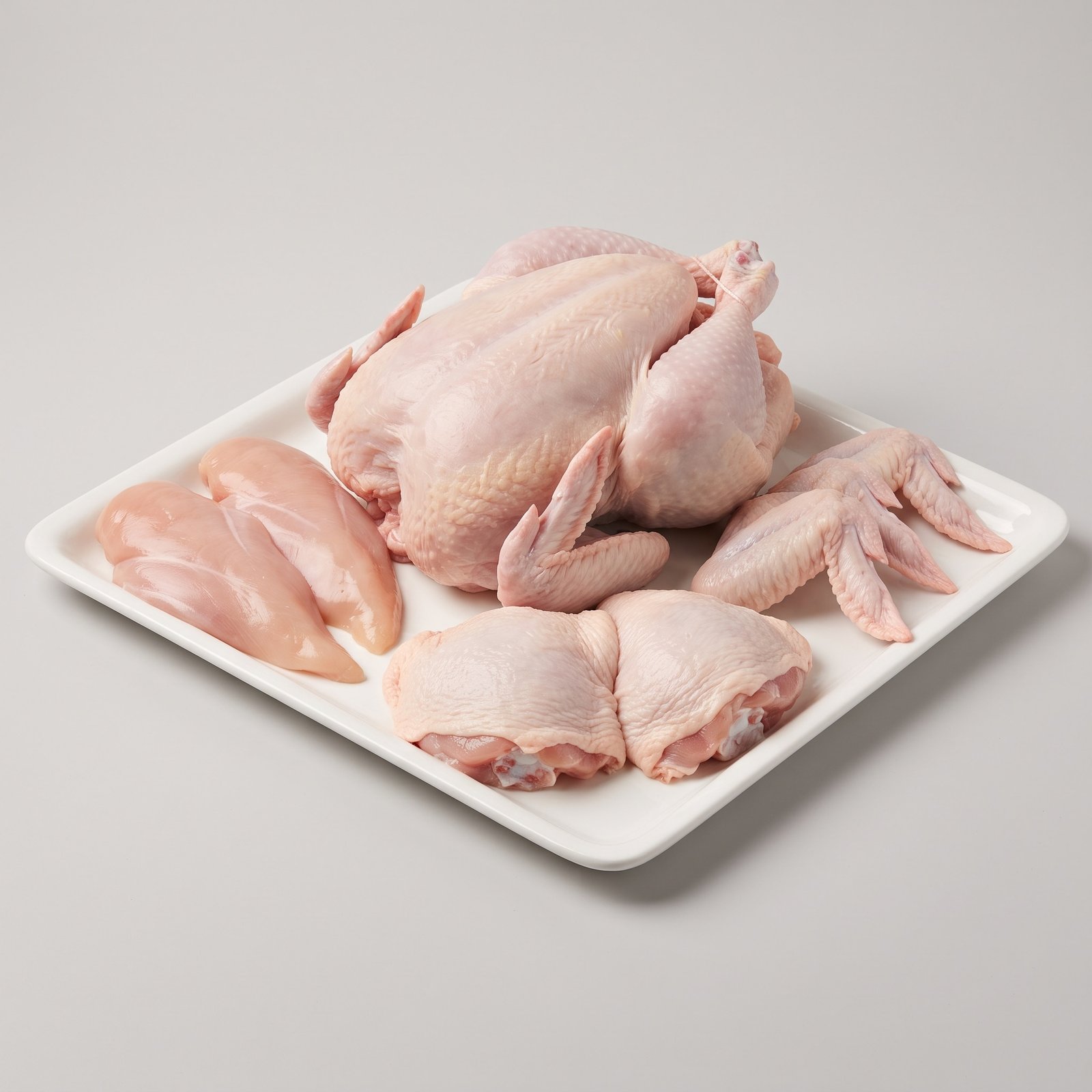
Foodservice kitchens generally work with four core chicken portions: fillets (boneless breast), thighs, legs, and wings, with the leg group covering drumsticks, quarters, and double or single legs. Each behaves differently under heat. Fillets are lean and cook quickly but have a narrow window before the meat dries out, while thighs and legs carry more fat and connective tissue, so they tolerate longer cooking and stay moist. Wings sit between the two, cooking through quickly but needing time in the fryer or oven for the skin to crisp. Matching the portion to the cooking method and the menu format is what keeps results consistent across a shift.
The Four Core Chicken Portions for Foodservice Kitchens
Most kitchens buying chicken wholesale work from the same set of portions, following the bird’s own anatomy: breast meat sold as fillets, and the leg assembly broken down into thighs, drumsticks, leg quarters, or double and single legs depending on how much of the joint is kept together. Wings are sold whole, jointed into two or three sections, or trimmed further into flats and niblets. Beyond these four, a kitchen can also work with whole birds, offal or game birds, but fillets, thighs, legs and wings cover the bulk of day-to-day foodservice ordering.
Chicken Fillets: Speed and Consistency for the Pass
The fillet, or boneless breast, is the portion most kitchens reach for when speed and a clean presentation matter: grilled breast, schnitzels, fajita strips, chicken burgers and stir-fry strips all start from the same cut. Breast meat is lean, so it cooks through quickly, but that also means the window between cooked and dry is narrow. Overshoot the internal temperature by only a few degrees and the muscle fibres tighten and squeeze out moisture, leaving a firmer, drier bite.
Because timing matters so much with fillets, weight consistency across a batch is what keeps cook times predictable. The chicken fillets category in the catalogue is split by weight band: smaller fillets suit a fast grill or fry application where a thin, even portion cooks through in minutes, while larger fillets such as Chicken Fillets 200+ suit a plated main built around a single, substantial piece rather than two smaller ones. Ordering by weight band rather than a single generic fillet line lets a kitchen match the cut to the dish and keep portion cost and cook time consistent across a shift. This matters more with fillets than with any other chicken portion, given how tight the cooking tolerance is.
Chicken Thighs: Forgiving Meat for Grills, Fryers and Slow Dishes
Thigh meat carries more intramuscular fat and connective tissue than breast, which changes how it behaves under heat. Rather than tightening and drying out past a certain point, thigh meat continues to soften as connective tissue breaks down, so a slightly longer time on the grill, in the fryer or in a braise makes the meat more tender rather than less. That tolerance is why thighs are the default portion for curries, stews, skewers, yakitori-style grilling and fried chicken, where consistent timing across a large batch is harder to manage than in a made-to-order kitchen.
The chicken thighs category covers both formats a kitchen might need: bone-in thighs for dishes where the bone contributes flavour and the portion is served whole, and boneless thigh meat for dicing, mincing or filling, where a bone would slow down prep. A smoked option sits alongside the two for kitchens building dishes around a pre-smoked flavour base rather than smoking in-house.
Chicken Legs: Bone-In Volume for Roasts, Carveries and Fried Chicken
The leg portion covers everything from a single drumstick to a full leg quarter with the thigh still attached. Like thighs, legs are dark meat with enough fat and connective tissue to tolerate long, slow cooking, which is why they turn up in roasts, carveries, braises and fried chicken programmes where a bone-in piece needs to hold together and stay moist through an extended cook. The bone itself also acts as a heat conductor during roasting, helping the meat around it cook more evenly.
The chicken legs category lists single and double leg portions, both bone-in and boneless, along with a skinless option for dishes where rendered skin isn’t part of the finished plate. A double-leg portion — two thighs and two drumsticks left joined — suits a larger plated serving or a sharing format, while single legs and drumsticks suit portion-controlled service.
Chicken Wings: Small-Format Portions for Bar Food and Sharing Menus
Wings sit between fillets and legs in cooking behaviour: the meat itself is small relative to skin and bone, so it cooks quickly, but the skin needs enough time in the fryer or oven to render and crisp properly. A whole wing has three joints: the drumette, the flat and the tip. How it’s jointed before it reaches the kitchen changes both prep time and presentation.
Two-joint wings have the tip removed, leaving the drumette and flat together for a classic bar-food shape, while three-joint wings keep all sections intact for kitchens that separate them in-house. Flat wings and niblets arrive pre-separated into single sections, cutting prep time further for high-volume sharing menus. The chicken wings category covers all of these formats, which matters for costing: pre-jointed wings carry that labour in the price but remove a prep step from every shift, while whole or three-joint wings suit a kitchen with the labour and volume to break them down to spec.
Comparing the Four Portions
The table below sets out how the four core portions differ on the points that matter most when planning a menu or a cooking line: bone and skin status, how much margin the portion allows in cooking time, and where it typically ends up on a menu.
| Portion | Bone / Skin | Cooking Tolerance | Typical Use |
|---|---|---|---|
| Fillet (breast) | Boneless; typically skinless | Narrow: dries out quickly past the correct temperature | Grills, schnitzels, fajita strips, chicken burgers |
| Thigh | Bone-in or boneless; skin-on or skinless | Wide: softens further with extra time | Curries, stews, skewers, fried chicken |
| Leg (drumstick / quarter) | Usually bone-in; skin-on or skinless | Wide: suited to slow roasting and braising | Roasts, carveries, braises, fried chicken |
| Wing | Bone-in; skin-on | Moderate: quick to cook through, skin needs time to crisp | Bar food, sharing plates, barbecue menus |
Matching Portions to Cooking Method
Grills reward portions with a predictable cooking window and a shape that sits flat on the bars. Smaller fillets and boneless thighs both work well, while a whole leg quarter is harder to cook evenly over direct heat. Ovens suit bone-in portions best, since the roasting time gives thighs and legs the chance to render fat and soften connective tissue while the bone helps distribute heat evenly. Fryers favour portions that go in at a consistent size: jointed wings, drumsticks and thigh pieces all hold up well across repeated fry cycles, while a large fillet needs closer monitoring so the outside doesn’t overcook before the centre reaches temperature.
A kitchen that runs more than one cooking method from the same delivery, for example grilling fillets for a lunch service and frying wings for the evening bar menu, keeps prep more consistent by ordering each portion to its own spec rather than relying on a single whole-bird breakdown.
Beyond Fillets, Thighs, Legs and Wings
Kitchens working further with chicken have options beyond the four cuts covered here. Whole birds, sold across a range of weights, suit kitchens that portion and butcher to their own spec; the differences between the available sizes are covered in a separate guide to whole chicken sizes. Offal, including livers, hearts, gizzards, feet and necks, is listed separately for kitchens using the fifth quarter. For kitchens costing portions per cover across a menu rather than cut by cut, the guide to estimating meat portion yields covers how to translate a delivered weight into a plated quantity.
Frequently Asked Questions
What is the difference between chicken thighs and chicken legs?
A thigh is the upper part of the leg on its own, while a leg portion can mean a drumstick alone, a leg quarter, or a double leg with the thigh and drumstick still joined. Both are dark meat with a similar cooking tolerance, but a leg portion usually carries more bone per piece.
Why do chicken fillets come in different weight grades?
Fillets are graded by weight so kitchens can match the portion to a specific dish and plate cost. A smaller fillet cooks through faster and suits a quick grill or fry application, while a larger fillet suits a single, substantial plated portion.
Are chicken wings sold with two or three joints?
Both formats are available. Two-joint wings have the tip removed, leaving the drumette and flat together, while three-joint wings keep all three sections intact for kitchens that prefer to separate them during prep.
Which chicken portion is best suited to high-volume fryer service?
Thighs, drumsticks and jointed wings tend to hold up best across repeated fry cycles because their fat and connective tissue keep them from drying out. Large fillets need closer monitoring in a fryer, since the outside can overcook before the centre reaches temperature.
Do chicken legs and thighs need a different cooking approach to fillets?
Yes. Dark meat portions such as legs and thighs generally benefit from a longer cook and a higher internal temperature, since the extra time and heat break down connective tissue and improve texture rather than drying the meat out. This is the opposite of how breast meat responds to the same treatment.
Kitchens sourcing chicken fillets, thighs, legs and wings for a fixed menu or a high-volume fryer programme can review the full range against current weight bands and jointing formats. Contact us to discuss your fillet, thigh, leg and wing requirements.
Want Trade Pricing for Your Kitchen?
Pricing is commercial and quoted on request.