



 Guides
Buyer Guides
Offal and the Fifth Quarter in Professional Kitchens
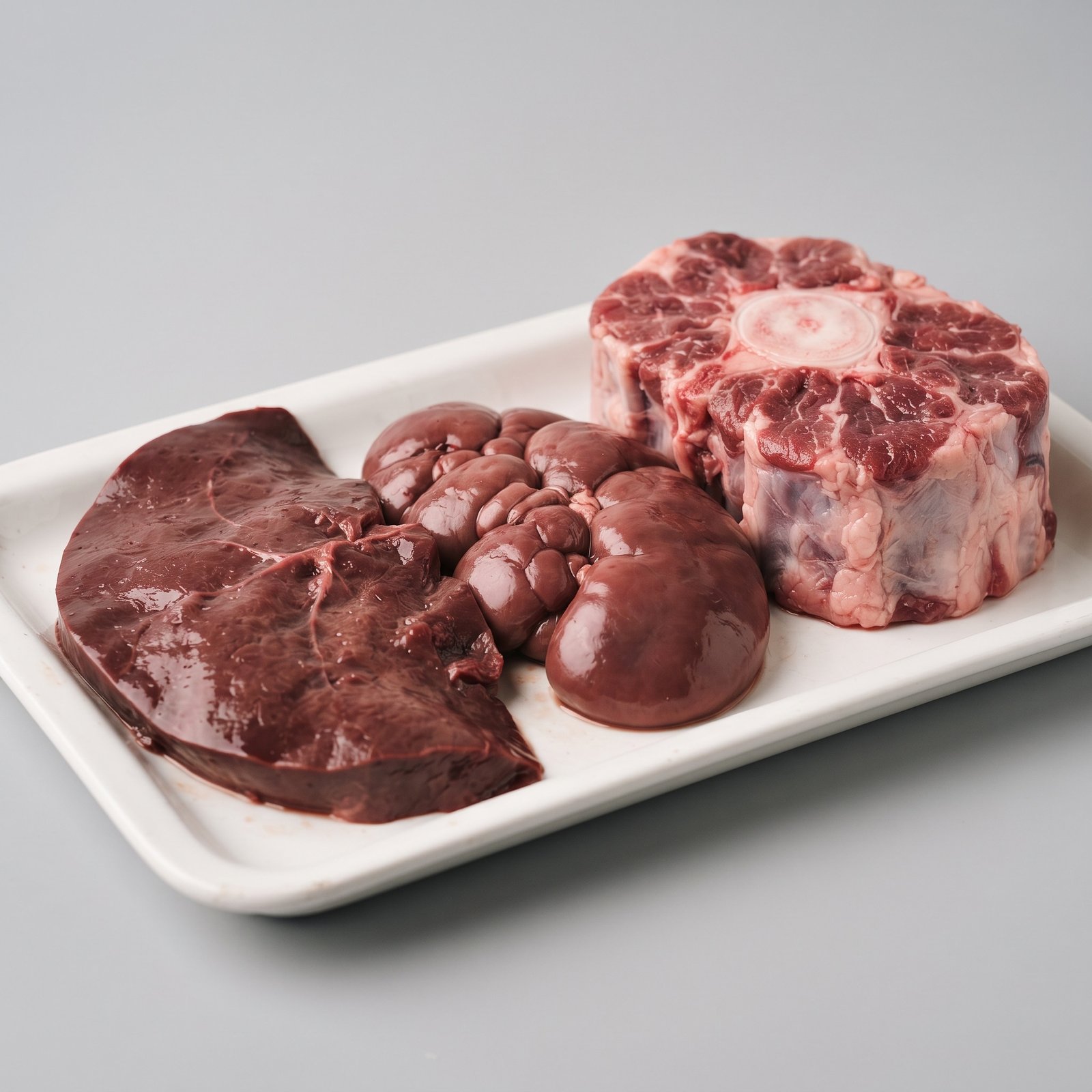
The fifth quarter is a butchery term for the parts of an animal beyond the four primal quarters of muscle meat — liver, kidney, heart, tripe, head, tongue, feet, tail and similar cuts. In professional kitchens, these cuts are handled through methods distinct from steaks or roasting joints: closer trimming, membrane removal, soaking or blanching, and cooking times matched to each cut’s texture rather than to weight alone. Across London’s restaurant scene, offal appears on Turkish, Middle Eastern, West African, Caribbean, South Asian and modern British menus. MEAT FEST lists beef, lamb and chicken offal in its wholesale catalogue for kitchens working with these cuts.
What the Fifth Quarter Includes
In classical butchery, a carcase is generally divided into four primal quarters of meat. The fifth quarter is the collective term for everything else: the offal, the head, the feet, the tail and other parts that require separate handling from muscle cuts. This includes organ meats such as liver, kidney and heart, along with tripe (stomach lining), tongue, head meat and feet. These cuts vary widely in texture, connective tissue content and cooking time, which is why kitchens that use them regularly tend to build a dedicated prep routine around offal rather than treating it as an afterthought to the main cutting list.
Offal in London’s Multicultural Kitchens
London’s restaurant sector draws on a wide range of culinary traditions, and offal features prominently across many of them. Turkish and Middle Eastern kitchens use liver in dishes such as griddled liver and skewered lamb liver, alongside slow-cooked tripe preparations. West African menus frequently include tripe, feet and offal-based stews. Caribbean kitchens prepare oxtail as a braised centrepiece dish, and South Asian menus use liver, kidney and tripe in slow-cooked curries. Modern British nose-to-tail cooking has also brought offal back onto menus in a different register, pairing liver and kidney with contemporary plating and shorter, more precise cooking. Across all of these traditions, offal is treated as a distinct category of ingredient with its own preparation logic, rather than a substitute for primal cuts.
Beef Offal in the Kitchen
Beef offal covers a set of cuts with quite different handling requirements from the muscle cuts from the same carcass, such as ribeye, sirloin, fillet and chateaubriand. The beef liver listed in the catalogue’s Parts & Offal range is typically sliced and pan-fried quickly, since prolonged cooking makes it firm and dry. Beef kidney needs closer trimming to remove the core and membrane before slicing or dicing, and benefits from a short soak or blanch before it is cooked. Beef tripe requires the longest preparation of the group: extended simmering to soften the honeycomb or blanket structure before it is finished in a stew, soup or fried preparation.
Head and tail cuts sit at the other end of the cooking spectrum. Beef head is generally cooked low and slow, whether boiled, braised or used in taco-style preparations, so the meat separates cleanly from bone and cartilage. Ox tail is a similarly slow-cooked cut, braised for an extended period until the connective tissue breaks down into a rich, gelatinous texture. Ox feet follow the same long-cook logic, most often used for stocks and gelatinous braises.
Lamb Offal in the Kitchen
Lamb’s fifth quarter cuts are grouped together in the catalogue’s Others category, which spans liver, kidney, heart, head, feet, fries and tripe. Lamb liver and lamb kidney are commonly grilled or pan-fried whole or sliced, following much the same short, high-heat approach used for beef liver — overcooking toughens the texture quickly. Lamb heart has denser muscle fibre than liver or kidney, so it is more often braised, stewed or thinly sliced and grilled after trimming the connective tissue at the base.
Lamb head, whether supplied skin-on or skinless, is prepared through long, slow cooking, typically boiled or roasted until the meat is tender enough to pick from the bone. Lamb feet follow a similar slow-cook logic, most often used in stocks, soups or gelatinous stews. Lamb fries are cleaned, sliced and cooked quickly at high heat, in contrast to the long, slow approach used for head and feet.
Chicken Offal in the Kitchen
Chicken offal is a smaller but frequently used category, covering liver, gizzards, hearts, necks and feet, listed together under Chicken Offal in the catalogue. Chicken liver is quick to cook and easily overdone; it is typically pan-fried or grilled for a short time so the centre stays soft rather than chalky. Gizzards have a denser, more muscular texture and are usually braised, confited or simmered for longer before finishing on a grill or in a fryer. Chicken hearts sit between the two — small enough to cook quickly on a skewer, but with enough bite that a short marinade or basting step is common. Chicken feet and necks are generally used for stock work or slow-cooked preparations, where their collagen content contributes body to a broth.
Comparing Texture and Preparation Across Offal Cuts
The table below summarises common fifth quarter cuts by texture, typical preparation and the cuisines in which each is most frequently used in London kitchens.
| Offal | Texture | Typical Preparation | Common In |
|---|---|---|---|
| Beef / lamb liver | Soft, smooth | Quick pan-fry or grill | Turkish, Middle Eastern, British |
| Beef / lamb kidney | Firm, requires trimming | Soak or blanch, then quick cook or stew | British, Middle Eastern |
| Lamb heart | Dense muscle | Braise, stew or thin-sliced grill | Caribbean, South Asian |
| Beef / lamb tripe | Honeycomb or blanket, chewy | Extended simmering, then stew or fry | West African, South Asian, Turkish |
| Beef / lamb head | Varied, gelatinous once cooked | Long, slow boil or braise | Caribbean, Middle Eastern |
| Ox tail | Fibrous, rich in connective tissue | Long braise | Caribbean, British |
| Chicken gizzards | Dense, muscular | Braise or confit, then finish hot | West African, South Asian |
| Chicken liver | Soft, delicate | Quick pan-fry or grill | British, Middle Eastern |
| Feet (chicken, lamb, ox) | Collagen-rich, little lean meat | Long simmer for stock or broth | South Asian, West African, Caribbean |
Menu Engineering: Building Variety with the Fifth Quarter
For a kitchen already ordering primal cuts from a given species, offal from the same animal extends the menu without opening an entirely new supply line. A restaurant already listing lamb chops or lamb shoulder, for example, can add a liver or kidney dish drawn from the same species range, widening the range of dishes on the menu without adding a new protein category to manage. This is one of the reasons nose-to-tail cooking has persisted in professional kitchens: it uses parts of the animal that would otherwise sit outside the standard cutting list, while keeping ordering, storage and prep within a single species workflow. Kitchens balancing offal alongside game birds for menu variety often apply the same logic — adding distinct dishes without adding new suppliers.
Menu variety built around offal also supports kitchens serving mixed clienteles, where dishes on the same menu draw on Turkish, Middle Eastern, Caribbean, West African or South Asian offal traditions side by side. Chefs planning this kind of menu typically treat offal as its own prep station with its own timing, rather than assigning it to whichever section has spare capacity, since cuts from the same species range can need very different lead times before service.
Handling, Cleaning and Preparation Before Service
Offal generally requires more preparation time than primal muscle cuts, so kitchens tend to build a dedicated process around it rather than treating it as a quick addition to existing prep. Liver, kidney and heart are trimmed of membrane, ducts and connective tissue before cooking; kidneys in particular are often halved with the white core removed. Tripe needs thorough cleaning and a lengthy simmer before it goes into a stew or fry, and head cuts require careful boning after slow cooking so the meat can be portioned cleanly.
Storage and rotation matter for offal in the same way they do for any perishable protein, as set out in our guide to cold chain and storage for commercial kitchens. Kitchens working across several offal types at once, such as beef, lamb and chicken, often stagger prep across the day, so that quick-cook cuts such as liver are handled close to service while slow-cook cuts such as tripe, head and tail are started well in advance.
Frequently Asked Questions
What does “fifth quarter” mean in butchery?
The fifth quarter refers to the parts of a carcase outside the four primal quarters of muscle meat, including offal such as liver, kidney, heart and tripe, along with the head, feet and tail. It is a working term used to separate these cuts from standard cutting and portioning lists.
Which cuisines use offal most frequently in London kitchens?
Offal appears across Turkish, Middle Eastern, West African, Caribbean and South Asian menus, as well as in modern British nose-to-tail cooking. Each tradition tends to favour different cuts and preparation methods, from grilled liver to slow-braised tripe and oxtail.
Why does offal need different preparation from muscle cuts?
Offal cuts vary far more in texture than primal meat cuts. Liver and kidney are quick-cooking and easily overdone, while tripe, head and tail contain more connective tissue and need extended simmering or braising to become tender. Treating all offal the same way tends to produce inconsistent results.
Is chicken offal handled differently from beef or lamb offal?
The same general principles apply: quick-cooking cuts such as liver need a short, hot cook, while denser cuts such as gizzards need longer, gentler cooking. Chicken offal cuts are smaller, so timing windows are shorter across the board than with beef or lamb equivalents.
How does offal fit into menu planning for a professional kitchen?
Offal lets a kitchen add menu variety using a species it is already ordering, rather than introducing a new protein category. It is commonly run as its own prep station, since cuts from the same species range can need very different lead times before service.
Kitchens sourcing beef, lamb or chicken offal alongside an existing meat order can review the categories listed in the catalogue. Contact us to discuss your requirements for fifth quarter cuts as part of a wholesale order.
Want Trade Pricing for Your Kitchen?
Pricing is commercial and quoted on request.